
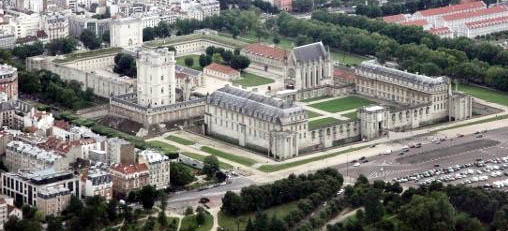
The central point
The certified copy of Constantin’s 1900 general inspection record carries a handwritten entry under “Foreign languages”, claiming that he spoke fluent English and had studied at Eton. Eton College searched its registers and confirmed that he had never been a pupil there.
The 1900 general inspection record
When the military file was consulted at Vincennes, the original record was no longer produced: the file contained this reproduction bearing “certified true copy” stamps. Without the original, the disputed handwriting can no longer be compared with the record as it stood in 1900.
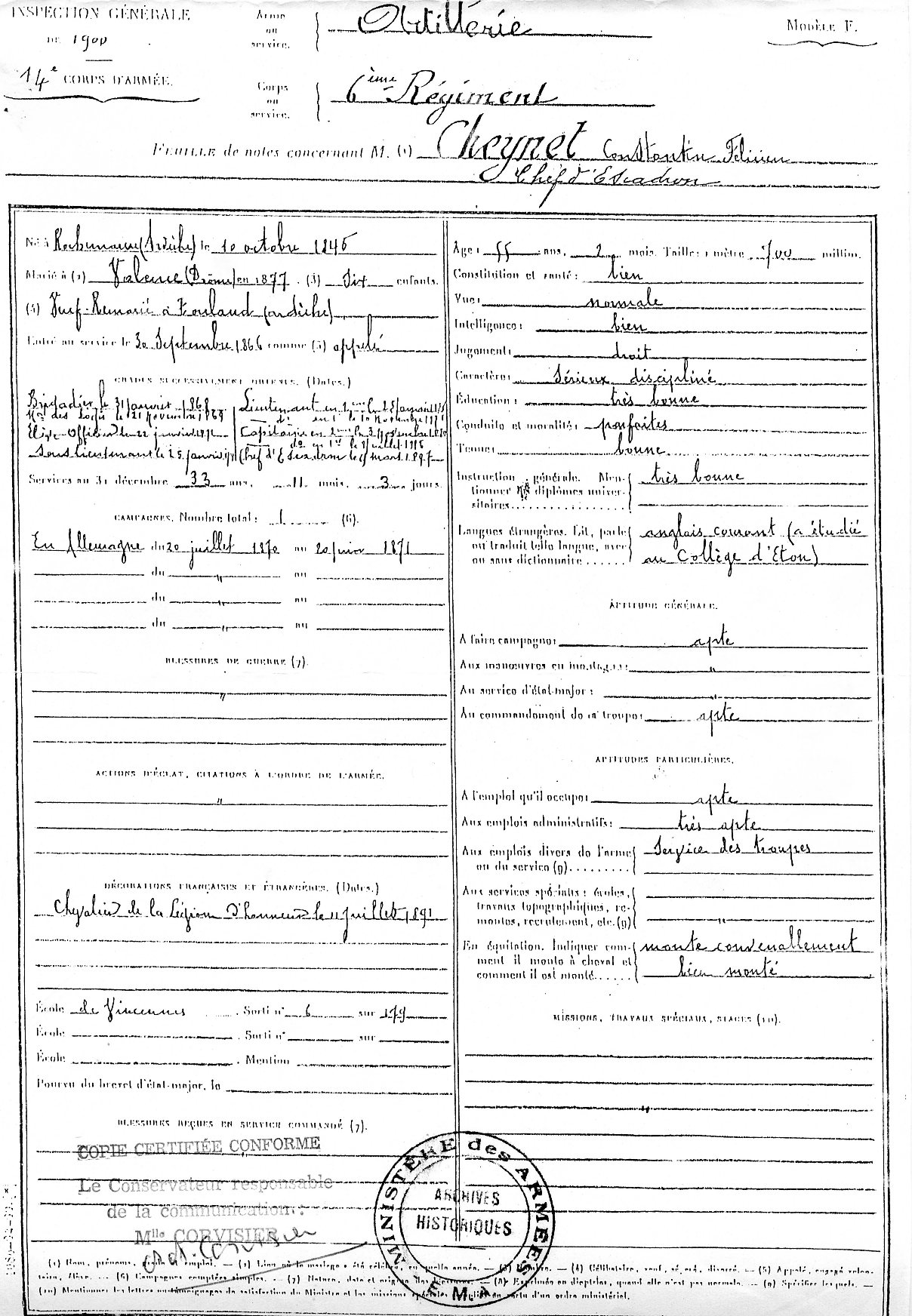
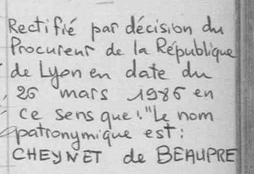
“fluent English (studied at Eton College)”
This annotation is not a minor biographical discrepancy: it creates a prestigious English education for which Eton’s archives can find no evidence. It thereby helps turn Constantin’s actual career into a socially enhanced fiction.
Eton College’s denial
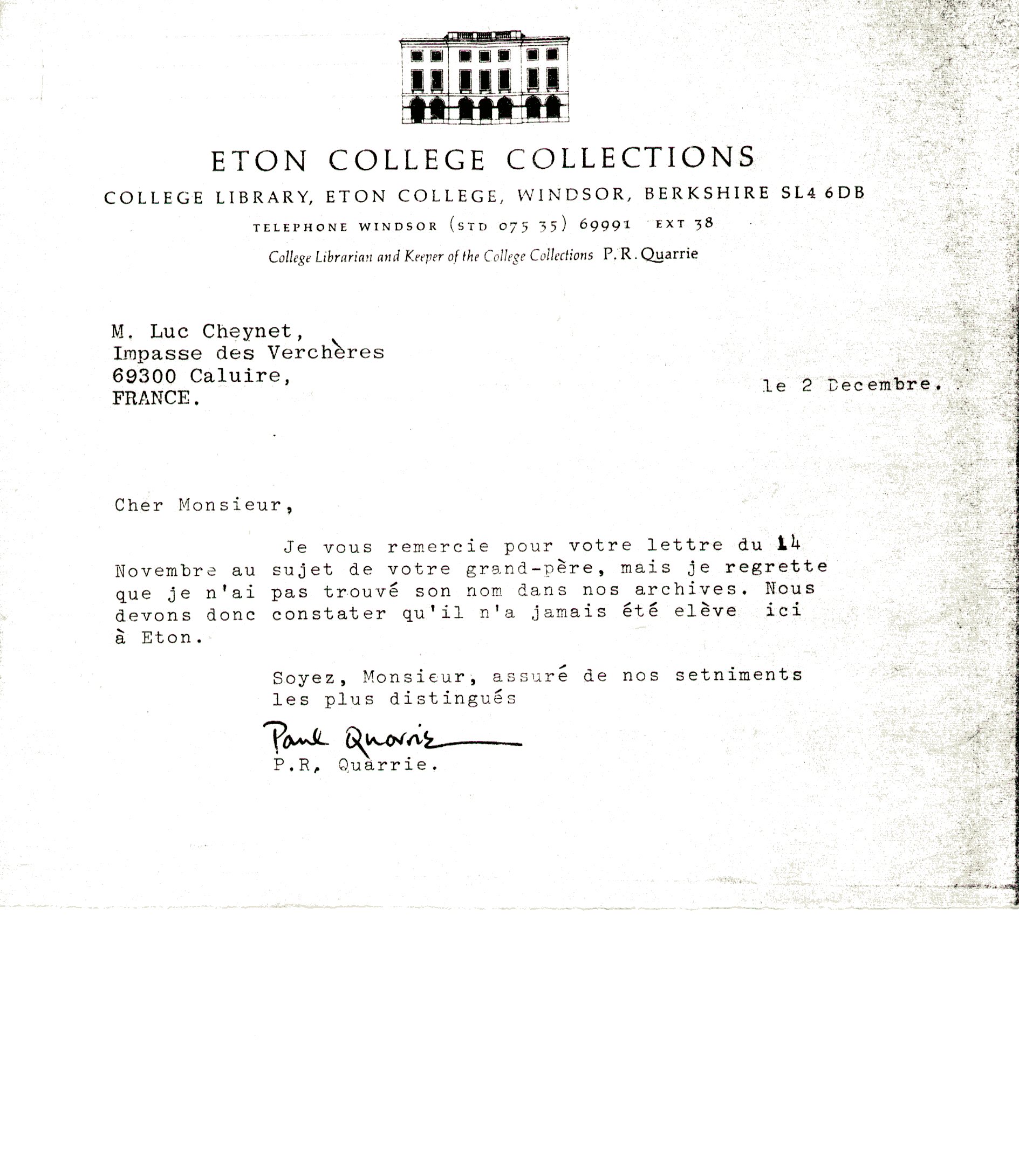
Eton’s pupil registers survive from 1791 and therefore cover the entire period in which Constantin, born in 1845, could have studied there. The College states that these registers provide a complete list of pupils for that period.
After searching them, the College Archives replied that Luc Cheynet’s grandfather — Constantin Félicien Cheynet — had never been a pupil at Eton. The claim on the military record is therefore directly contradicted by the institution concerned.
The documented career of Constantin Félicien Cheynet
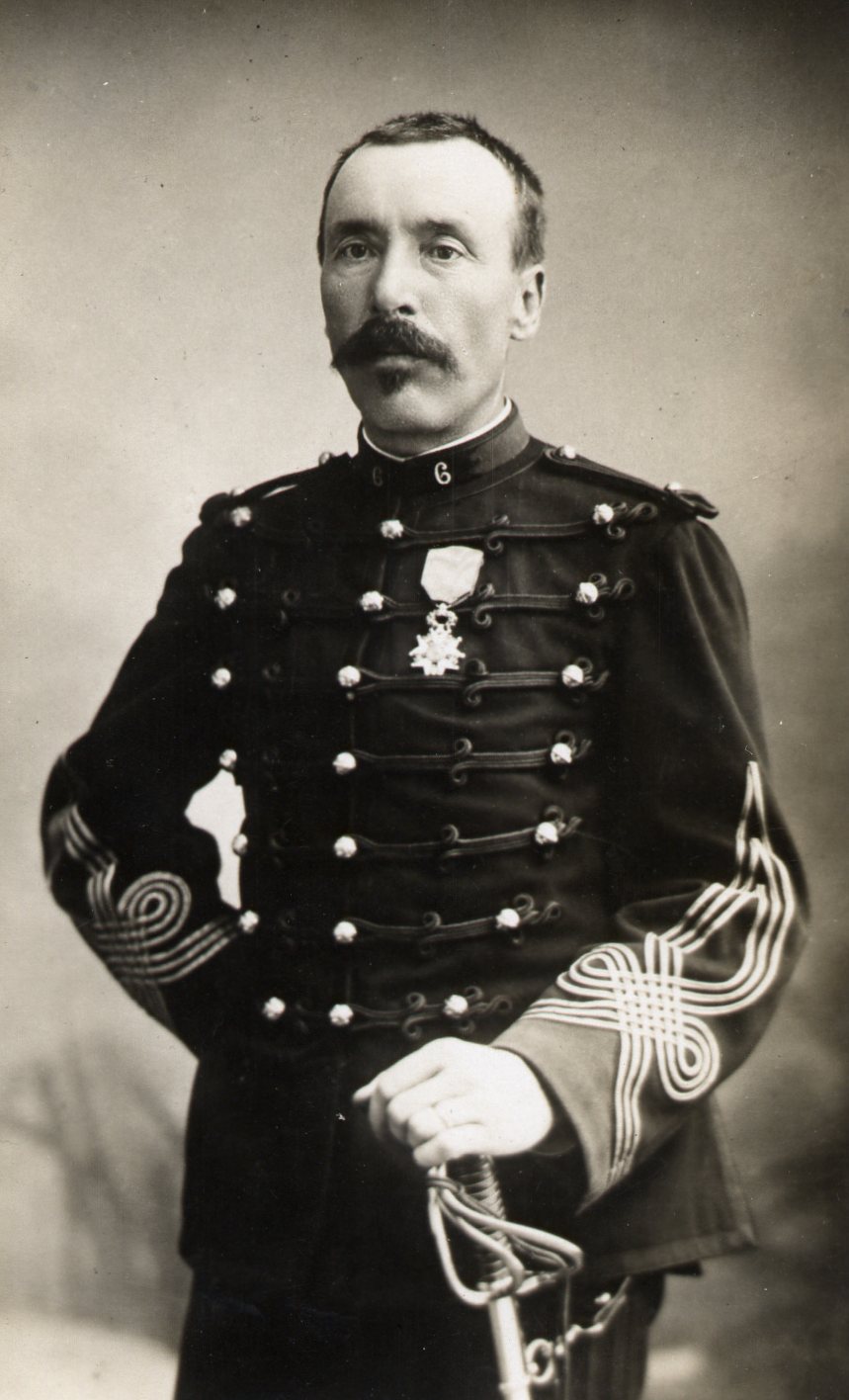
Constantin’s genuine career is extensively documented and needs no embellishment. His fully digitised Legion of Honour file consistently records his real name: CHEYNET, without the “de Beaupré” addition.
Born at Rochemaure on 10 October 1845, he entered military service on 30 September 1866 as a second gunner. He then rose through every level of the artillery to become a squadron leader.
Promoted to brigadier.
Commissioned as a second lieutenant in the 36th Artillery Regiment.
Promoted to first-class captain.
Posted to the 6th Artillery Regiment.
Removed from the active rolls and admitted to retirement as a squadron leader.
Two official references allow the record to be checked further: Legion of Honour file LH//526/85 and French Defence Historical Service officer file GR 6 Yf 21699.
Marcel Cheynet, died for France
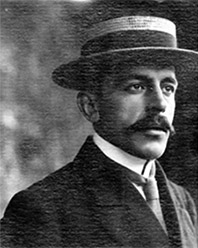
Marie Jean Eugène Marcel Cheynet, son of Constantin Félicien Cheynet and Marie Henriette Louise Vinson, was born at Grenoble on 2 January 1885. A notary’s clerk in civilian life, he performed his military service with the 99th Infantry Regiment and became a reserve officer in 1908.
A reserve lieutenant since 1913, he joined the 87th Infantry Regiment on 4 June 1915. On 22 June, at Les Éparges, he led his section in an assault, fought with his own rifle and was mortally wounded a few metres short of the objective. The action earned him an Army-level citation published in 1916.
Marc Cheynet in the Great War
Marie Louis Marc Cheynet (1888–1975), another son of Constantin, left a continuous body of wartime correspondence from December 1916 to June 1919. These letters offer the direct account of an ordinary infantryman, far removed from later aristocratic reconstructions.
Private, 17th Infantry Regiment, 27th Company, at Grignan.
At Saint-Dizier before continuing towards the front.
Fighting around Thiescourt; his letters describe the heavy losses suffered by his unit.
Took part in the attack on the Sambre–Oise Canal.
At the Belgian frontier when the Armistice came into force.
Still awaiting demobilisation at Roanne after service with the 6th Infantry Regiment and attachment to the 98th.
Sources
- French National Archives, Léonore database, Constantin Félicien Cheynet file, notice 81123, reference LH//526/85, 16 images.
- French Defence Historical Service, GR 6 Yf catalogue, Constantin Félicien Cheynet, file GR 6 Yf 21699.
- Eton College Collections, College Archives, description of the complete pupil registers from 1791; reply letter reproduced above.
- Mémoire des hommes, record for Marie Jean Eugène Marcel Cheynet.
- Rhône Departmental Archives, Marcel Cheynet service register, 1905 class, Lyon central recruiting office, number 1.
- Military correspondence of Marie Louis Marc Cheynet, 5 December 1916–5 June 1919, preserved in the family documentary collection.